
Kazema Logo
Technical
April 15, 2024
HSE Director

Why Fire-Rated Security Cabins are Crucial for Heavy Industry & Oil Fields
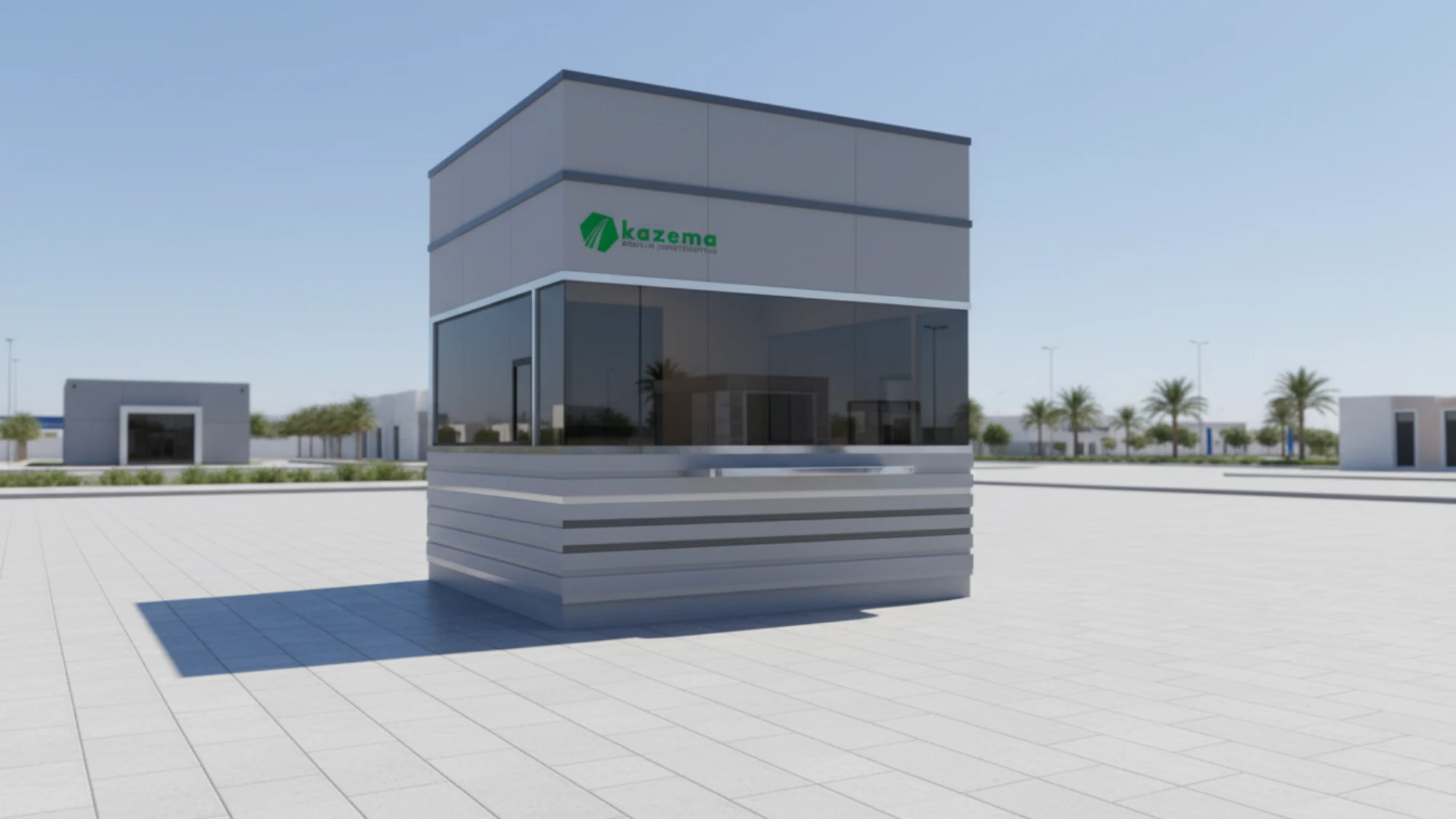
Why Fire-Rated Security Cabins are Crucial for Heavy Industry & Oil Fields

Managing High-Risk Security Perimeters

In petrochemical refineries, steel mills, gas plants, and mining sectors, security staff work in environments that are vulnerable to extreme thermal hazards. Utilizing basic modular cabins in these zones is a major safety violation.

The Anatomy of a Fire-Rated Cabin

Fire-rated modular cabins are built using specialized structural components designed to delay the transfer of extreme heat. Rather than polyurethane, the walls are filled with high-density non-combustible Rockwool or specialized fire-retardant PIR sandwich panels that offer certified flame-barrier ratings.

Key Technical Specifications:

  • Structural Rigidity: Reinforced structural steel skeleton capable of holding structural integrity during a blast wave.
  • Toughened Glass: Double-glazed heat-resistant windows that do not shatter under high heat or pressure.
  • Fire-Safe Electricals: Electrical cables are housed inside galvanized iron (GI) conduits with explosion-proof distribution blocks.

Regulatory HSE Compliance

Civil Defense departments across Dubai and Abu Dhabi enforce strict fire-safety guidelines for industrial site setups. Deploying an A60-rated fire cabin guarantees that your security outpost complies with federal safety standards, keeping your site fully legal and safe.

Request Consultation

Need expert help planning your site sanitation or event logistics?

Other Expert Guides

Guides

How Many Portable Toilets Do I Need Per Worker on a UAE Construction Site?

Calculated sanitation requirements based on UAE labor laws and site density to ensure HSE compliance for your project.

Technical

GRP vs Plastic Portable Toilets: Which is Better for UAE Heat?

A technical comparison of materials to help you choose the right sanitation units for extreme Middle Eastern temperatures.

Technical

The Ultimate Guide to Deploying GRP Waste Holding Tanks on Remote Sites

Everything you need to know about septic containment, horizontal configurations, above-ground setup, and capacity planning from 1,000 to 20,000 Gallons.

Guides

Selecting the Right Security Cabins for Gated Communities & Logistics Hubs

Evaluating visibility parameters, galvanized structures, and comfort requirements for dual-point access gates.

Guides

Upgrading Public Hygiene with Portable MDF Handwash Stations

Analyzing the design parameters of portable, indoor-optimized MDF wash basins with self-contained tanks for clinics, events, and classrooms.

Technical

Container Conversion: Transforming Marine Steel into Luxury Site Offices

Analyzing the structural, acoustic, and thermal steps to convert heavy-duty ISO shipping containers into luxury field workspaces.

Guides

Deploying 40ft Container Restroom Blocks in Industrial Labor Camps

Engineering layout formulas, water replenishment rates, and daily HSE maintenance protocols for 10-toilet shipping container conversions.

Guides

The Case for Security Cabins with Integrated Toilets on Off-Grid Outposts

How self-contained plumbing, exhaust systems, and insulated cabins improve security guard alertness on long-shift gate outposts.

Technical

Waterless Chemical Toilets vs. Self-Contained Flush Units for Outdoor Events

Comparing internal holding systems, bellows pump mechanics, and waterless sanitation to match your event's foot traffic and HSE targets.

Technical

Septic Management: How to Prevent Odors in Above-Ground Waste Tanks

Analyzing biological odor locks, venting pipe stack heights, and fiberglass chemical resistance in hot weather sewage systems.

Technical

Engineering Custom Prefab Dual-Room Open Hall Security Outposts

Analyzing structural steel frames, Rockwool thermal layers, ACP panels, and dual split-AC setups for large security checkpoints.